
 See Our Latest Article on HelloNation
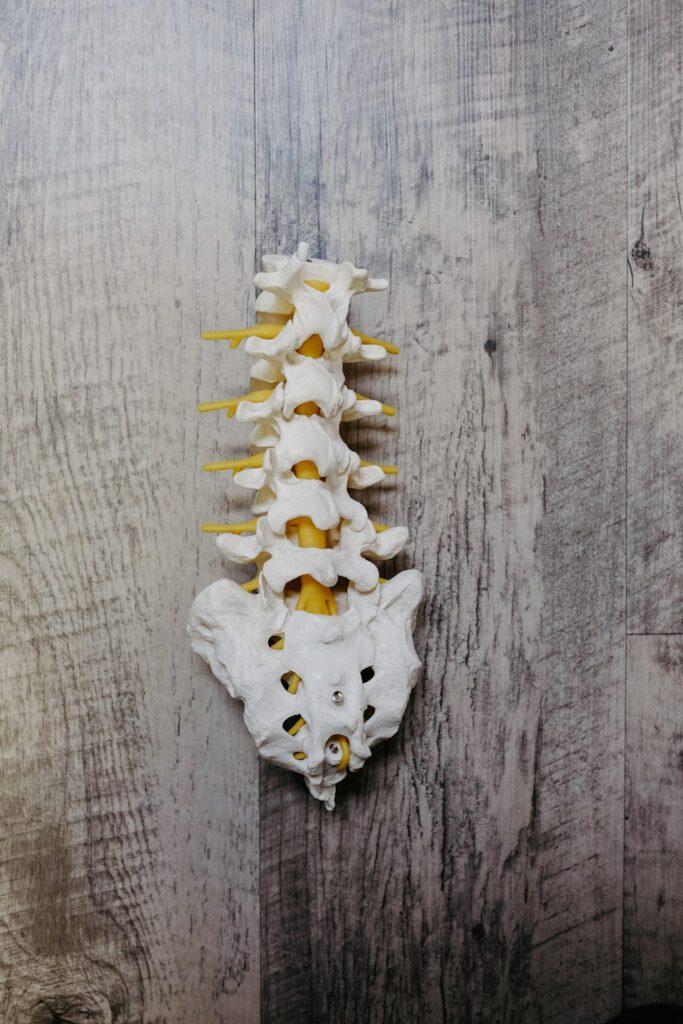
Is chiropractic care generally safe?
For many adults, chiropractic care and spinal manipulation are considered relatively low-risk when provided by a properly trained and licensed practitioner after an appropriate health-history review. The most common short-term effects are mild soreness, stiffness, temporary discomfort, or headache, and these usually improve within a day or two.
Safety depends on more than the technique itself. It also depends on the person’s health, the area being treated, the force used, the practitioner’s training, and whether warning signs are recognized before treatment begins.
Chiropractic care is most commonly used for musculoskeletal concerns such as back pain, neck pain, joint stiffness, and some types of headache. It should not be viewed as a universal treatment for unrelated medical conditions.
What happens during a safety-focused evaluation?
A careful evaluation should begin before any adjustment. The practitioner may ask about symptoms, previous injuries, surgeries, medical diagnoses, medications, pregnancy, osteoporosis, cancer, blood-clotting problems, and neurological changes.
The evaluation may also include movement testing, strength and reflex checks, and other examinations. Imaging is not automatically needed for every person with back or neck pain, but it may be considered when symptoms or medical history suggest a more serious problem.
Residents in Pomfret, NY may experience pain after winter falls, outdoor work, prolonged driving, home maintenance, or physically demanding seasonal activities. Those circumstances can cause ordinary muscle or joint strain, but a fall or sudden injury can also produce fractures, disc problems, or nerve involvement. The cause of pain should be assessed rather than assumed.
Who may need to avoid certain chiropractic techniques?
Spinal manipulation is not appropriate for everyone, and some conditions call for modified treatment or no manipulation at all. Extra caution is warranted with:
- Severe osteoporosis or a known fragile-bone condition
- Suspected or confirmed spinal fracture
- Cancer affecting the spine
- Bone or joint infection
- Severe inflammatory arthritis
- Recent major trauma
- Previous spinal surgery
- Significant numbness, weakness, or loss of coordination
- Severe or worsening nerve compression
- A known condition that increases stroke risk
- Certain structural problems involving the upper neck
Pregnancy also requires individualized consideration. Some manual techniques may be modified, but pregnancy should be disclosed before treatment so positioning and treatment choices can be evaluated safely.
A person taking blood thinners or medications that affect bleeding should mention this before treatment. The same applies to a history of aneurysm, connective-tissue disorder, unexplained fainting, or unusual vascular problems.
Is neck adjustment more risky than treatment to the lower back?
Neck manipulation deserves a separate discussion because the neck contains arteries that supply blood to the brain. Rare cases of artery injury and stroke have been reported after neck manipulation. Research has not established a simple cause-and-effect relationship in every case, because similar artery injuries can also occur with sudden neck movement, sports injuries, whiplash, severe coughing, or vomiting.
The practical point is not to ignore the risk or exaggerate it. Anyone considering neck manipulation should be told about the potential warning signs and should have a meaningful discussion about alternatives, including gentler mobilization, exercise, physical therapy, or other approaches.
It is reasonable to ask whether a technique involves a quick thrust, a slower mobilization, or no neck manipulation at all. A patient should be able to decline a technique and ask about safer alternatives.
What symptoms should stop treatment and prompt medical attention?
New neurological symptoms should not be treated as routine post-treatment soreness. Seek urgent medical help for sudden:
- Weakness or numbness, especially on one side of the body
- Trouble speaking or understanding speech
- Facial drooping
- Loss of balance, severe dizziness, or difficulty walking
- Vision changes
- A severe headache unlike usual headaches
- Loss of bladder or bowel control
- Numbness in the groin area
- Rapidly worsening weakness or pain

Stroke symptoms require an emergency response. Call 911 rather than driving yourself, even if symptoms improve after a few minutes. Temporary symptoms can still indicate a transient ischemic attack or another serious condition.
After treatment, mild soreness can occur, but severe pain, progressive weakness, fainting, confusion, or unusual neurological symptoms require prompt evaluation.
Does hearing a “pop” mean something was fixed?
No. A popping or cracking sound is usually caused by a rapid change in pressure within a joint and does not prove that a bone was “put back in place.” Relief may result from changes in joint movement, muscle tension, pain sensitivity, or a combination of factors.
The absence of a popping sound also does not mean treatment failed. Safe care should be based on symptoms, function, examination findings, and reasonable treatment goals—not on whether a particular sound occurs.
How can someone make an informed decision?
Before treatment, ask clear questions:
- What condition is being treated?
- What benefits are reasonably expected?
- What side effects are common?
- What serious warning signs should be watched for?
- Is neck manipulation being considered?
- Are there gentler alternatives?
- How will progress be measured?
- What is the plan if symptoms do not improve?
A responsible treatment plan should allow reassessment. Ongoing treatment should not continue automatically if pain, function, or daily activities are not improving.
It is also useful to keep other healthcare providers informed, especially when pain follows an accident, when symptoms are persistent, or when multiple treatments or medications are involved. Chiropractic care may fit into a broader plan that includes exercise, physical therapy, medical evaluation, sleep improvement, and activity changes.
What is the most balanced view of chiropractic safety?
Chiropractic care is neither risk-free nor inherently dangerous. Many people experience short-term relief from care directed at common back, neck, or joint problems, while others may need a different approach. The safest decisions involve accurate diagnosis, full disclosure of health history, appropriate technique selection, clear communication, and prompt attention to warning signs.
Local residents should be particularly cautious about treating pain after a fall on ice, a vehicle collision, heavy lifting injury, or sudden impact. Pain that follows significant trauma, includes weakness or numbness, or keeps worsening deserves medical assessment before manipulation is considered.
