
 See Our Latest Article on HelloNation
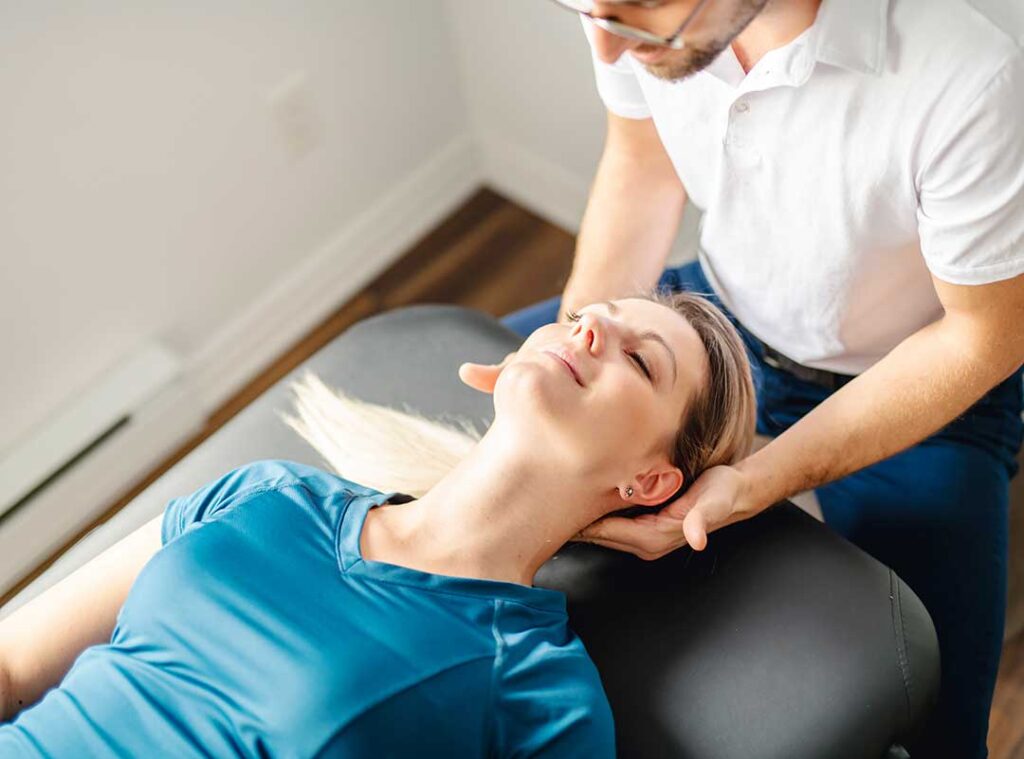
What Should You Do Before Your First Chiropractic Appointment?
Before a chiropractic visit, it can be helpful to gather your medical information, consider your main concerns, and wear comfortable clothing. Doing these things can make the appointment smoother and help you communicate effectively with the chiropractor.
- Bring any relevant medical records, X-rays, or test results you have, especially those relating to back, neck, or joint health.
- If you’re taking medication or have underlying health conditions, have a list handy.
- Take note of any symptoms you experience regularly, such as stiffness, headaches, or pain spots. This detail will help answer questions during your initial assessment.
- Wear loose, comfortable clothes. Many chiropractic exams involve movement or range-of-motion tests, so being comfortable is beneficial.
What Questions Will the Chiropractor Ask?
Chiropractors typically begin with a thorough health history and a discussion of your current symptoms. Be prepared to answer questions such as:
- When did your pain or discomfort start?
- How would you describe the sensation (aching, sharp, throbbing)?
- Does anything improve or worsen your symptoms?
- Have you tried other treatments before, like physical therapy or over-the-counter remedies?
Providing honest, specific answers gives the chiropractor a full picture of your condition.
How Should You Prepare Logistically?
Plan your visit so that you’re not rushed and have time to relax before and after the appointment. In Pomfret, snow and icy roads in the winter can lead to delays, so check current conditions before leaving home. It can also be useful to:
- Bring a notepad to jot down exercises or advice you receive
- Arrive a bit early to complete any paperwork
- Inform your provider beforehand about any special accessibility needs
Will You Need to Undress or Change Clothes?
Many new visitors wonder how much they will need to undress. Most chiropractic evaluations and treatments are done fully clothed, provided your clothes allow full, comfortable movement. Sports attire or loose-fit pants and shirts work best. If special imaging or procedures are needed, you might be given a gown, but this is less common for general visits.
What Happens During the Appointment?

A typical chiropractic appointment starts with a discussion of your health, followed by a physical examination focused on your posture, range of motion, and joint mobility. The chiropractor might perform:
- Orthopedic or neurological tests
- Gentle palpation of muscles and joints
- Assessment of how you move or walk
If an adjustment or other procedure is recommended, the chiropractor will usually describe the process upfront and check that you feel comfortable before proceeding. While some people are nervous about the “popping” sounds during spinal adjustments, these are normal and not usually painful.
Are There Special Considerations for Local Residents?
In this region, seasonal weather can impact travel and your musculoskeletal health. Icy sidewalks and winter sports often result in more frequent injuries in colder months. If you’ve recently taken a fall or have specific injuries related to activities like shoveling snow, be sure to share this information during your visit. Also, agrarian lifestyles and repetitive outdoor chores can contribute to joint discomfort—mention any regular physical activities or repetitive tasks at home or work.
What Should You Avoid Before Your Appointment?
Steer clear of heavy meals right before the visit, as lying on your stomach or back may be less comfortable with a full stomach. Avoid alcohol, as it can mask pain or inflammation. Try not to take strong pain medication unless you already rely on it daily; if safe, being able to report your symptoms accurately will help your assessment.
Should You Bring Someone With You?
Bringing a trusted friend or family member can be helpful, especially for first-time visitors who may feel nervous or want another set of ears for aftercare instructions. If you need translation assistance, most offices in the area are happy to accommodate advance requests for interpreters.
What Should You Do After the Appointment?
Ask about recommended stretches, at-home exercises, or activity restrictions, and write them down if possible. You may feel a bit sore, especially if it’s your first adjustment, but this is usually mild and temporary. Drinking water, staying active within comfort, and resting as needed can all support your recovery.
Are There Any Common Misconceptions?
Some residents believe they must be in severe pain before visiting or that chiropractic care is only for back issues. Neck, shoulder, joint, and even recurring headache concerns often improve with chiropractic support. Early visits can sometimes prevent a minor ache from becoming a chronic condition.
Understanding these basics can help set realistic expectations and ensure a more comfortable, productive chiropractic experience for local residents.
