
 See Our Latest Article on HelloNation
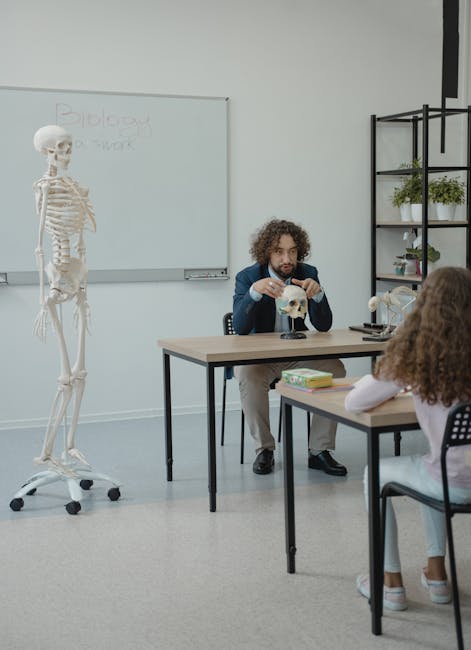
Living in Pomfret, NY, means being part of a tight-knit community that values both education and the well-being of its youngest residents. With many children and teens shifting between in-class learning at Pomfret’s local schools and at-home study areas, ergonomic health is more important than ever. But what exactly does “ergonomics” mean for students and children? Simply put, it’s about creating an environment that supports healthy posture, movement, and comfort—so kids can learn and grow with fewer aches and pains.
Why Ergonomics Matter for Pomfret’s Youth
Children and students in Pomfret spend hours each day sitting—whether in classrooms, at home doing homework, or engaging with digital devices. This can put unnecessary stress on their developing bodies, often leading to neck pain, backaches, fatigue, and even long-term spinal issues if not addressed. Good ergonomic habits support better concentration, improved learning, and a healthier lifestyle, all of which are crucial to Pomfret’s active, family-focused community.
Creating an Ergonomic Study Space at Home
Many Pomfret families balance schoolwork with busy schedules and small-town hobbies—from after-school soccer to weekend outdoor adventures. Here’s how to make your home environment safer and more ergonomic for growing children without disrupting your daily routine:
- Choose the Right Chair and Desk: Ideally, your student should have a chair that supports their lower back and allows their feet to rest flat on the floor. If the desk is too high or low, use footrests or books to achieve the proper height.
- Lighting: Good lighting reduces eye strain. Place study areas near windows for natural sunlight—a common feature in many Pomfret homes—but supplement with a desk lamp for evening study sessions.
- Keep Supplies Handy: Reduce awkward reaching for materials. Store school supplies within easy arm’s reach to promote natural movement.
The Perfect Sitting Position for Students
Whether in the Dunkirk schools or studying at home, Pomfret kids should practice the “90-90-90” rule for proper sitting posture:
- Hips, knees, and elbows should all be at about 90-degree angles.
- The back should be straight but relaxed against the chair’s support.
- Shoulders are down and relaxed, not hunched.
- Feet should rest flat on the floor or on a sturdy footrest.
Encourage your child to check their posture regularly and readjust as needed—developing these habits early can prevent chronic pain later in life.
Screen Time: Ergonomic Tips for Devices
Tablets, phones, and laptops are just as much a part of student life in Pomfret as textbooks and pencils. To minimize strain:
- Keep Screens at Eye Level: Elevate laptops or tablets on a stand or stack of books so the top of the screen is at eye height.
- Hold Phones Higher: Rather than bending the neck downward, encourage kids to bring devices up to eye level.
- Use an External Keyboard and Mouse: This allows better wrist and arm positioning, especially during long typing sessions.
The Importance of Movement Breaks
Pomfret’s access to parks and nature trails is a community treasure—use it! Encourage students to take regular breaks from sitting every 30-45 minutes:
- Stand, stretch, and walk around the house.
- Practice simple desk stretches: shoulder rolls, neck stretches, arm raises.
- After homework or virtual lessons, get outside for fresh air and a family walk at Lake Erie State Park or along Pomfret’s country roads.
Regular movement boosts focus, improves mood, and keeps muscles flexible.
Backpacks: Ergonomic Carrying Strategies
Pomfret’s students often carry heavy backpacks to and from school. To prevent strain:
- Choose a backpack with padded, adjustable straps and a waist belt.
- Remind kids to wear both straps—not just one.
- Keep loads to no more than 10-15% of your child’s body weight.
- Organize supplies so heavier items are closest to the back.
Encourage kids to regularly clean out their backpacks and only bring what’s necessary to school each day.
Setting a Good Example: Family Ergonomics
In Pomfret, many families share homework spaces and model habits for younger siblings. Parents and older students can demonstrate healthy posture, take breaks together, and help set up ergonomic workstations for everyone in the household. Making these changes a family priority not only supports your child’s health but cultivates lifelong wellness habits.
When to Seek Professional Help
While most ergonomic issues can be addressed with simple home adjustments, sometimes persistent aches, headaches, or posture problems need the advice of a chiropractor or healthcare provider. If your child is experiencing ongoing discomfort, particularly in the back, neck, or shoulders, consider scheduling a consultation with a local Pomfret chiropractor experienced in pediatric and student care.
Embracing Healthy Study Habits in Pomfret
Pomfret, NY is a wonderful place to learn and grow—both indoors and out. By creating ergonomic study spaces, encouraging movement, and modeling healthy habits, Pomfret families can support both the educational and physical well-being of their children. Small changes in daily routine add up to big health benefits that will serve your kids for years to come.
For more local advice on keeping your student healthy or to learn about chiropractic support for growing bodies, reach out to a trusted Pomfret professional. Keep learning, keep moving, and keep healthy!
