
 See Our Latest Article on HelloNation
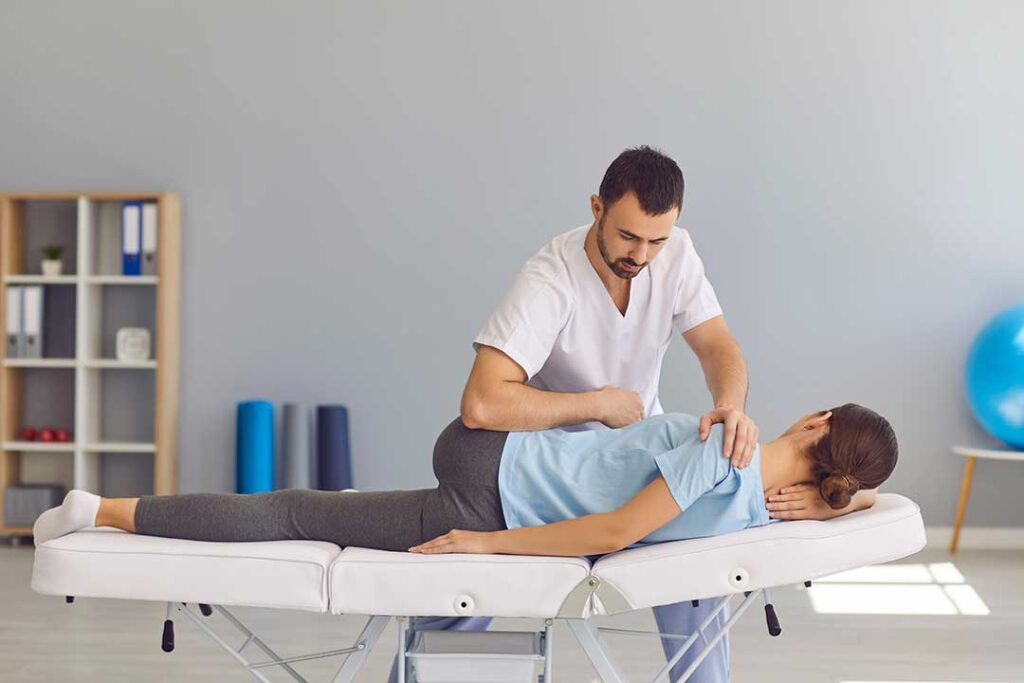
What Is the Graston Technique and How Does It Work?
The Graston Technique is a form of manual therapy that uses specialized stainless steel instruments to gently massage and scrape the skin. The goal is to help detect and treat areas of soft tissue restriction or inflammation, particularly in muscles, tendons, and ligaments. Trained chiropractic providers use this technique to address discomfort, pain, or limited movement, often with evidence-based protocols.
During a session, the practitioner glides different shapes of metal tools over the skin. This is done after applying a lubricant to reduce friction. The tools allow the provider to both identify and break up scar tissue (sometimes called adhesions) beneath the surface. In practical terms, this may feel like a deep massage, but with a targeted and instrumental approach.
Why Do Chiropractic Practitioners Use the Graston Technique?
The technique helps reduce pain and improve movement in areas affected by overuse, injury, or chronic stress. By breaking up adhesions, it encourages better blood flow and tissue repair in the treated area.
Local residents in Pomfret often experience issues tied to seasonal activities—yard work, snow shoveling, gardening, or long commutes. These activities can place repetitive stress on the body’s soft tissues. The Graston Technique may help those recovering from:
- Strains from lifting or repetitive chores
- Tendon problems resulting from hobbies or occupational tasks
- Old injuries that never fully healed
The approach is often integrated with other forms of chiropractic care, home exercises, and lifestyle changes, providing a comprehensive recovery option for area households.
What Conditions Are Commonly Treated With This Approach?
The Graston Technique is commonly used by chiropractors and other manual therapy professionals for a range of soft tissue conditions. Residents may encounter this option when dealing with:
- Tennis elbow or golfer’s elbow from sports or gardening
- Plantar fasciitis, especially during months of increased walking or outdoor activity
- Shoulder issues, including frozen shoulder related to repetitive motion
- Lower back pain linked to tasks such as home repairs or snow clearing
- Post-injury scar tissue, which can build up after falls on icy sidewalks
Importantly, not all soft tissue injuries require this method, but it may be chosen when conservative care alone isn’t providing expected relief.
Does the Graston Technique Hurt? What Should Residents Expect During a Session?
Most people describe the sensation as intense but manageable. Some liken it to a deep tissue massage with a scraping feeling. There may be slight discomfort when the instrument passes over fibrous or tight areas, but communication with the practitioner is encouraged to ensure tolerable pressure.
Sessions typically last a few minutes for each area treated. Redness or minor bruising can happen, which is a normal response and tends to resolve in days. These effects are generally milder in the hands of skilled providers who adapt the intensity to the individual’s needs and health history.
Hydrating well and gently moving the area afterward often helps speed recovery. Residents may notice increased range of motion or reduced tension after a few sessions.
Are There Risks or People Who Should Avoid the Graston Technique?
For most healthy adults, complications are minimal when performed by trained professionals. However, there are situations where caution or different therapies are recommended. The following groups should discuss individual risk factors:
- Those taking blood thinners, due to bruising risk
- Individuals with certain skin conditions
- People with open wounds or unhealed surgical sites
- Residents with uncontrolled chronic illnesses
Sharing your full medical history and any recent changes in health with the practitioner supports safe and effective care.
How Is the Graston Technique Different From Regular Massage or Classic Chiropractic Adjustments?
While massage therapy focuses on relaxing muscles and increasing general circulation, the Graston Technique specifically targets tissue restrictions and adherent scar tissue using specialized tools. Traditional chiropractic adjustments are aimed at joint alignment and nervous system health; in contrast, Graston Technique is about improving soft tissue texture and mobility.
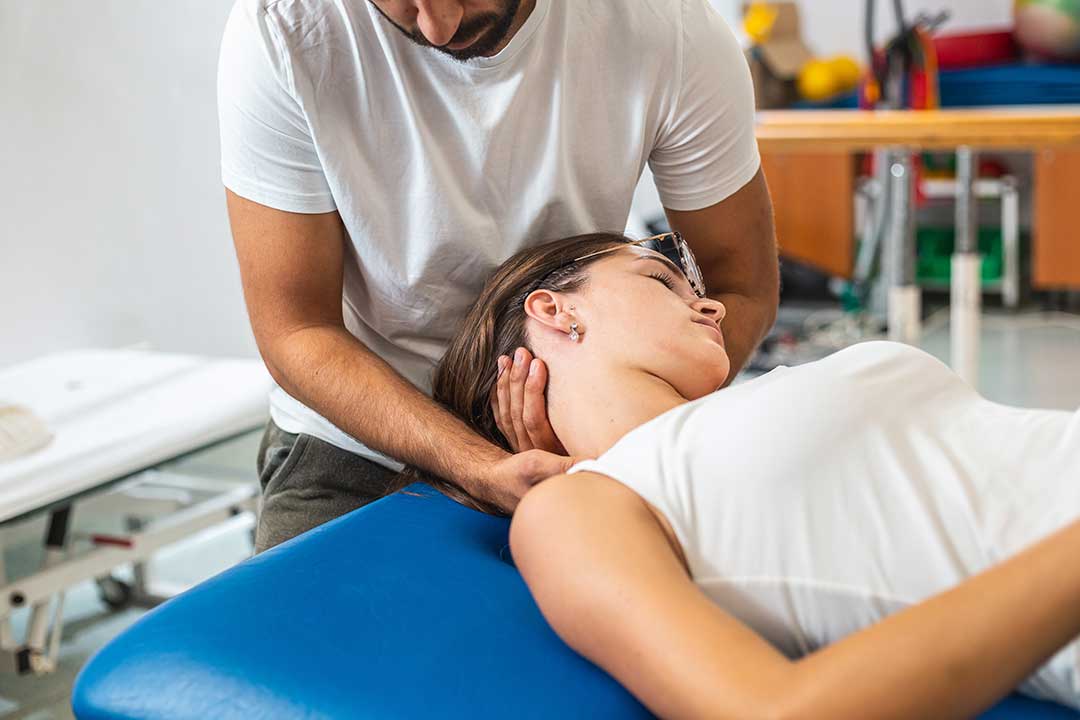
Typically, the Graston Technique might be used following or alongside other chiropractic methods, depending on the need and response. This coordinated care is tailored to the unique challenges local residents face—like recovering from winter slips or alleviating gardening strain as the seasons change.
Can You Perform Graston-like Methods at Home?
DIY versions of instrument-assisted soft tissue work—like using kitchen utensils or self-massage tools—do circulate on the internet. However, the effectiveness and safety of these approaches are unproven and may lead to skin injury or irritation. Certified practitioners have detailed knowledge of human anatomy and recognize the difference between safe therapeutic scraping and potentially harmful pressure.
Residents looking to maintain gains after formal sessions can generally help tissue health by:
- Staying hydrated, especially during seasonal temperature swings
- Stretching regularly, with routines suited to their activity level
- Paying attention to small discomforts before they become limiting issues
Safe self-care is best coupled with professional monitoring for new or persistent symptoms.
What Should Residents in Pomfret Ask Before Starting This Type of Therapy?
When considering chiropractic treatment involving the Graston Technique, it helps to ask practical questions:
- Is this approach commonly used for my condition?
- How many sessions are typical for issues like mine?
- What are reasonable expectations for recovery?
- Are there home strategies or activity changes that will support results?
- Are follow-up exercises required?
Having a clear and open conversation ensures alignment between individual goals and the chosen care plan.
Is the Graston Technique Supported by Research?
Clinical studies suggest that instrument-assisted techniques, such as the Graston Method, may help speed up healing for soft tissue injuries and reduce pain from chronic issues. However, research is ongoing and outcomes can vary by individual. For many in the area, firsthand reports of increased flexibility and decreased discomfort align with published findings.
Residents seeking further details on this method can find reliable information through national health organizations, professional association resources, or by consulting trusted healthcare practitioners familiar with advances in musculoskeletal health.
